Efficient identification and development of plasma-active catalysts
HTWK sub-project: Research and development of an innovative workflow process based on the use of digital tools and automated measurement for the efficient research and development of plasma-active catalysts
Project duration: 01/2025 – 06/2027
The CAPTAIN collaborative project brings together the expertise of leading research institutions and companies in Saxony to establish a novel technology platform for the accelerated development of plasma-active catalysts. The partners include enaDyne GmbH, the University of Leipzig with its Institute of Heterogeneous Catalysis, and the Leipzig University of Applied Sciences (HTWK) with its Chair of Embedded Systems and Signal Transmission. Each of these partners brings outstanding expertise in the fields of plasma technology, catalysis and automated measurement technology to the project.
The aim of the CAPTAIN project is to develop an innovative technology platform that significantly accelerates the development of plasma-active catalysts. This platform will make it possible to efficiently determine the optimal combinations of catalyst properties and reaction conditions. The focus is on non-thermal plasma catalysis, an electricity-based alternative to conventional thermal catalysis, which is capable of converting carbon dioxide (CO₂) into basic chemical building blocks in an energy-efficient manner. A key component of the project is the development of an innovative measurement robot which, through fully automated high-throughput experiments, data-driven analyses, and gas and plasma simulations, enables a drastic reduction in development times. This methodology represents a paradigm shift by replacing the previous ‘trial-and-error’ approach with data-driven prediction of new, targeted experimental points.
From a societal and climate policy perspective, the CAPTAIN project makes a significant contribution to the defossilisation of industry. The innovative use of CO₂ for the synthesis of basic chemical raw materials represents a decisive step towards reducing dependence on fossil raw materials such as crude oil and natural gas. Non-thermal plasma catalysis, using novel catalysts, is intended to help achieve climate targets and promote sustainable industrial production.
Contact
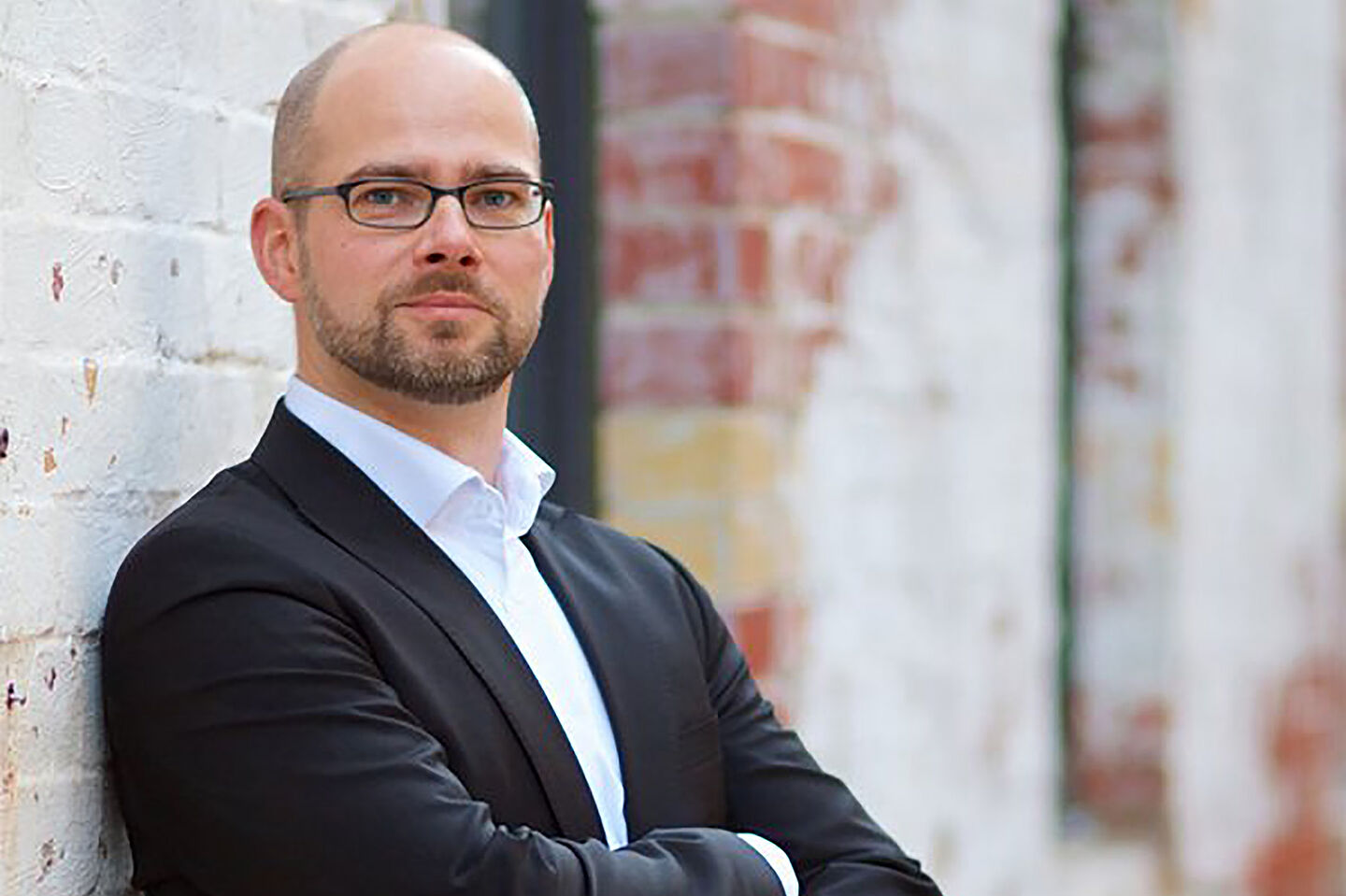
Prof. Dr.-Ing. Gerold Bausch
Chair of Embedded Systems and Signal Processing
Telephone: +49 (0)341 3076 3103
Email: gerold.bausch(at)htwk-leipzig.de

Dipl.-Ing. (FH) Daniel Käßler
Research Assistant
Telephone: +49 (0)341 3076 1278
Email: daniel(dot)kaessler(at)htwk-leipzig.de